My Awakening Amidst Tragedy: How My Best Friend’s Suicide Became a Catalyst For Personal Growth
When someone you love dearly dies by suicide, you’ll experience a range of emotions as you grieve. Some moments you may feel angry; in other moments,...
-1.png?width=1488&height=219&name=CS%20Logo%20-%20Purple%20Horizontal%20(2)-1.png)
.png?width=1488&height=219&name=CS%20Logo%20-%20Purple%20Horizontal%20(3).png)


7 min read

Pride Month is a time for celebration, reflection, and action. For school leaders, it presents a crucial opportunity to deepen our understanding of the challenges LGBTQ+ youth face and to strengthen the systems of support we provide. While our schools should be safe, inclusive spaces for every student, the reality is that many young people in the LGBTQ+ community are navigating significant mental health struggles, often intensified by a lack of acceptance and resources.
To bring these challenges to light, we spoke with mental health providers who specialize in caring for LGBTQ+ youth. Their frontline perspectives offer invaluable insights into what these students are experiencing and, most importantly, how schools can be powerful agents of positive change.
One trend is unmistakably clear: LGBTQIA+ youth continue to experience disproportionately high rates of mental health struggles, particularly depression, anxiety, and suicidal ideation. According to The Trevor Project’s 2025 U.S. National Survey, 36% of LGBTQ youth seriously considered attempting suicide in the past year, with rates even higher among transgender and nonbinary youth.
Providers see these statistics play out in their daily work. Aaron Martin, a therapist who works with queer individuals of all ages, notes, "I see higher rates of depression, as well as higher rates of worry and anxiety." He emphasizes a critical point that research has shown time and time again: "It's not because of who we are, it's because of how we are treated."
This distinction is vital. The challenges do not stem from being LGBTQ+ but from the discrimination, rejection, and invalidation they face in their families, communities, and, at times, their schools. Jessie Richardson, a provider working in both crisis response and private practice, echoed this alarming reality. “We see a lot of self-harm and suicidal ideation. A big factor is ruptured relationships at home—kids who don’t feel like they can fully be themselves.”
A strong support system is one of the most powerful protective factors in a young person’s life. For LGBTQ+ youth, having even one supportive adult can reduce the risk of a suicide attempt by 40% (The Trevor Project). But support can also come from peers, school staff, and online communities.
“Not every space has to be therapy to be therapeutic,” said Aaron. “I leaned on my community—friends, classmates, even teachers. That’s where healing started.”
Jessie highlighted the importance of consistency and authenticity from adults: “Teens are so good at picking up when someone’s not being real. If you can show up consistently and authentically, you give them permission to do the same.”
While family acceptance is a cornerstone of this support, online communities have also become a crucial lifeline. Aaron highlights that for many youth, “online communities are protective factors. It’s not just scrolling—it’s where they feel seen." In a world that can feel isolating, the internet allows them to find peers with shared experiences, assuring them they are not alone. "All of a sudden online, I have access to hundreds, if not thousands of other youth who are also out and my age," Aaron explains. "And so it feels a little less isolating in that way.”
Jordan Brown, who works primarily with emerging adults, noted that strong adult-student relationships can signal where support is lacking. “When a student becomes really attached to school staff, it might point to a lack of connection or attachment at home.” This is a big sign that school staff can look out for when identifying students who may need additional support.
Unfortunately, stigma, systemic inequities, and broken pathways to care continue to hinder access to the help LGBTQ+ youth need. Aaron, who went through his own frustrating search for an affordable, affirming provider in grad school, knows this firsthand. "Navigating insurance and how awful and terrible these systems are for folks who are arguably at our lowest moments in life.... trying to ease some of those barriers to access is something that I'm really passionate about."
For students, these barriers are compounded. They may not know where to turn, fear being outed if they ask for help, or worry that the adults in their lives won’t understand. Jordan Brown, emphasizes the importance of confidentiality:
“Students need to trust that if they open up about feeling stressed or anxious—things that don’t meet mandatory reporting thresholds—that information will remain private."
This highlights the importance of ensuring all school staff understand the difference between what must be reported and when they can simply be a supportive, listening ear. When students know they can confide in a trusted adult without fear of unnecessary escalation, they’re more likely to open up.
Schools are uniquely positioned to dismantle these barriers and build robust networks of support. Here are some provider-informed strategies school leaders can implement:
"How do we go from what I would like to think of as passive allyship, to a sense of active allyship?" Aaron asks. Proactive support is crucial.
When students struggle, they and their families need a clear, simple way to find help.
Given the high rates of suicidal ideation, school staff must be prepared to respond to crises with empathy and a plan. Richardson, who has extensive experience in crisis work, stresses the importance of the adult's reaction. A panicked, escalated response can make the situation worse.
When a student is in crisis, the goal is to create safety and show them they are not alone. Richardson is direct with her clients: "I can live with you being mad at me. I cannot live with coming to work tomorrow to find out something happened to you because I didn’t do anything."
This honesty, combined with a clear process for getting help, is vital. It's about letting the student know you care too much to keep their pain a secret and that you will be there to support them through the process of getting help—whether that means walking them to the counselor's office or connecting their family with Care Solace to find immediate, specialized support.
“I’m a firm believer in tiered support,” Aaron added. “Drop-in groups, open office hours, visible resources. Not every kid will seek out help—but they should always know it’s there"
Ultimately, the message from these providers is one of hope and empowerment. Supporting LGBTQ+ youth isn't about having all the answers. It's about listening, showing up authentically, and creating an environment where every student feels seen, valued, and safe. As Richardson says, for many of these kids, “a supportive relationship with an adult at school is what can save their life." And Aaron adds, “it really isn’t that hard.” Small acts of consistency, empathy, and inclusion go further than we often realize.
*Not an endorsement, referral, or recommendation of any provider. Care Solace does not have a financial relationship with any providers, does not pay or collect monies to/from providers or have an agreement in place to promote mental health resources, and does not accept advertisements or sponsorship sales. Care Solace mental health/social service care coordination services are based solely on objective match criteria according to client-specified needs and details*
Jessie Richardson, LPC (they/them)
I’m a Milwaukee based therapist and social justice advocate with a background in social work and over 12 years of experience supporting individuals and families impacted by domestic violence, sex trafficking, and involvement with the child welfare and criminal justice systems. For the past 7 years, I’ve provided individual and group therapy to youth (ages 11+) and families, specializing in trauma, attachment disorders, AODA issues, ADHD, and chronic emotional dysregulation. I’m trained in DBT and grounded in a relational-cultural framework that centers connection, empowerment, and healing. I’m especially passionate about working with youth, LGBTQ+ clients, and system-involved families. I currently serve my community through as a Mental Health Therapist in a private practice setting and as Crisis Clinician with Milwaukee County. In these roles I get to provide trauma informed, holistic care to a variety of clients and help expand access to mental health support and resources in the community. My goal is to create a safe, affirming space where clients can heal, grow, and build lives rooted in meaning and connection.
Jordan Brown, MS, LPC, NCC
I am a licensed therapist, author, and owner of No Worries Wellness. My current clients are emerging/young adult women who are experiencing anxiety, low self-worth, and may have a history of trauma. Because of this, I often work with teachers, other school staff, and other mental health professionals, some of whom work with kids. It feels similar to a teacher who moves into an administrative role, where, although I no longer directly support adolescents, I still get to indirectly support them by supporting the people who support them. My background in working with youth and now working with those who support them helps me bring a well-rounded and unique perspective.
Aaron C. Martin, LMFT
I am a licensed Marriage and Family Therapist. I’m committed to helping other Queer folks learn how to better manage their anxiety and worry by riding the waves of our emotions, and softening the language we use to describe ourselves. My work focuses on targeting unhelpful thought patterns we convince ourselves to be true, and mute that harsh inner critic. I firmly believe that you are the expert in your own life, which means we will work together to help reach your goals.

.png)
When someone you love dearly dies by suicide, you’ll experience a range of emotions as you grieve. Some moments you may feel angry; in other moments,...
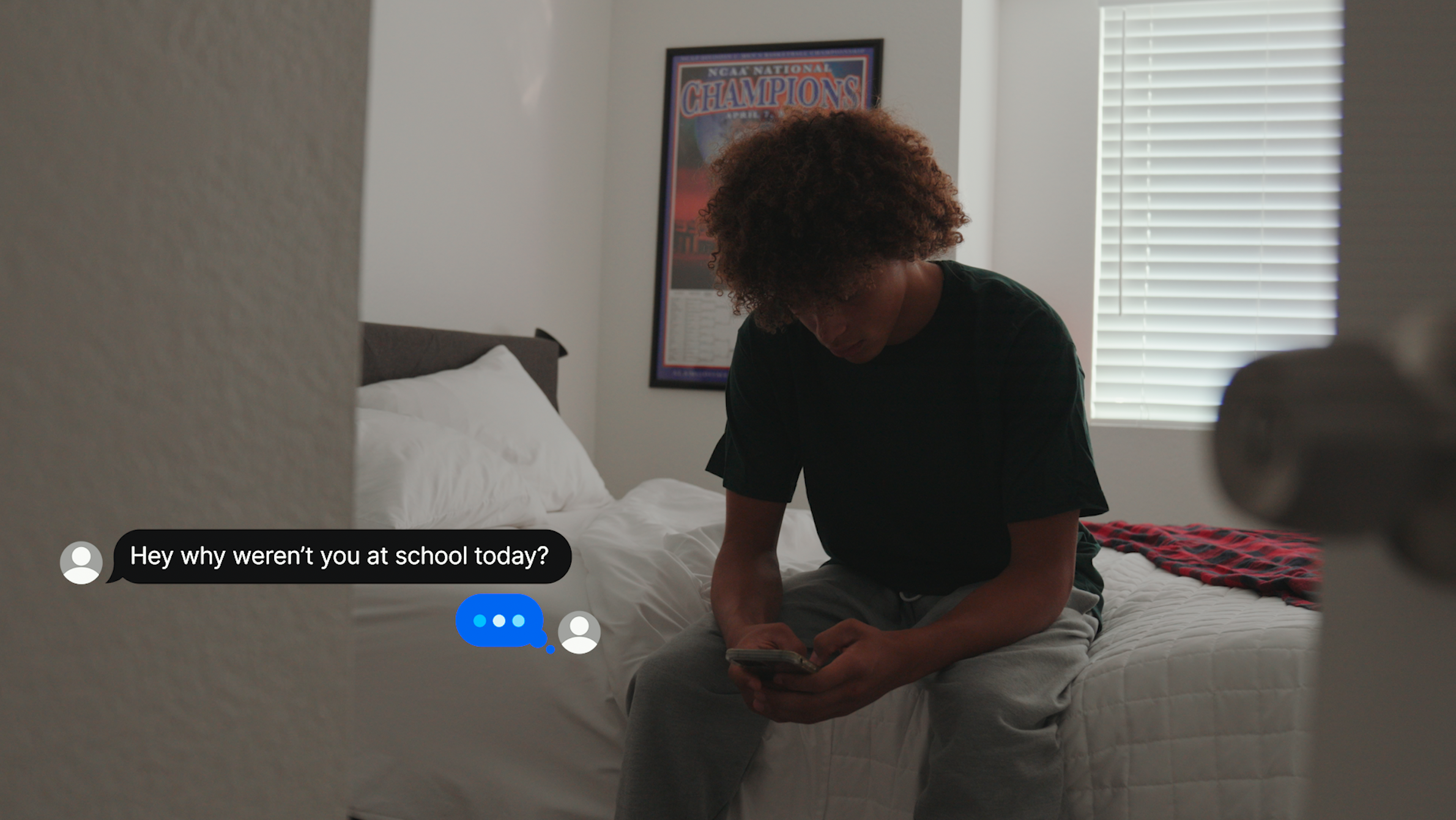
Schools are often the first line of defense in supporting student mental health and preventing youth suicide. Recognizing this responsibility,...
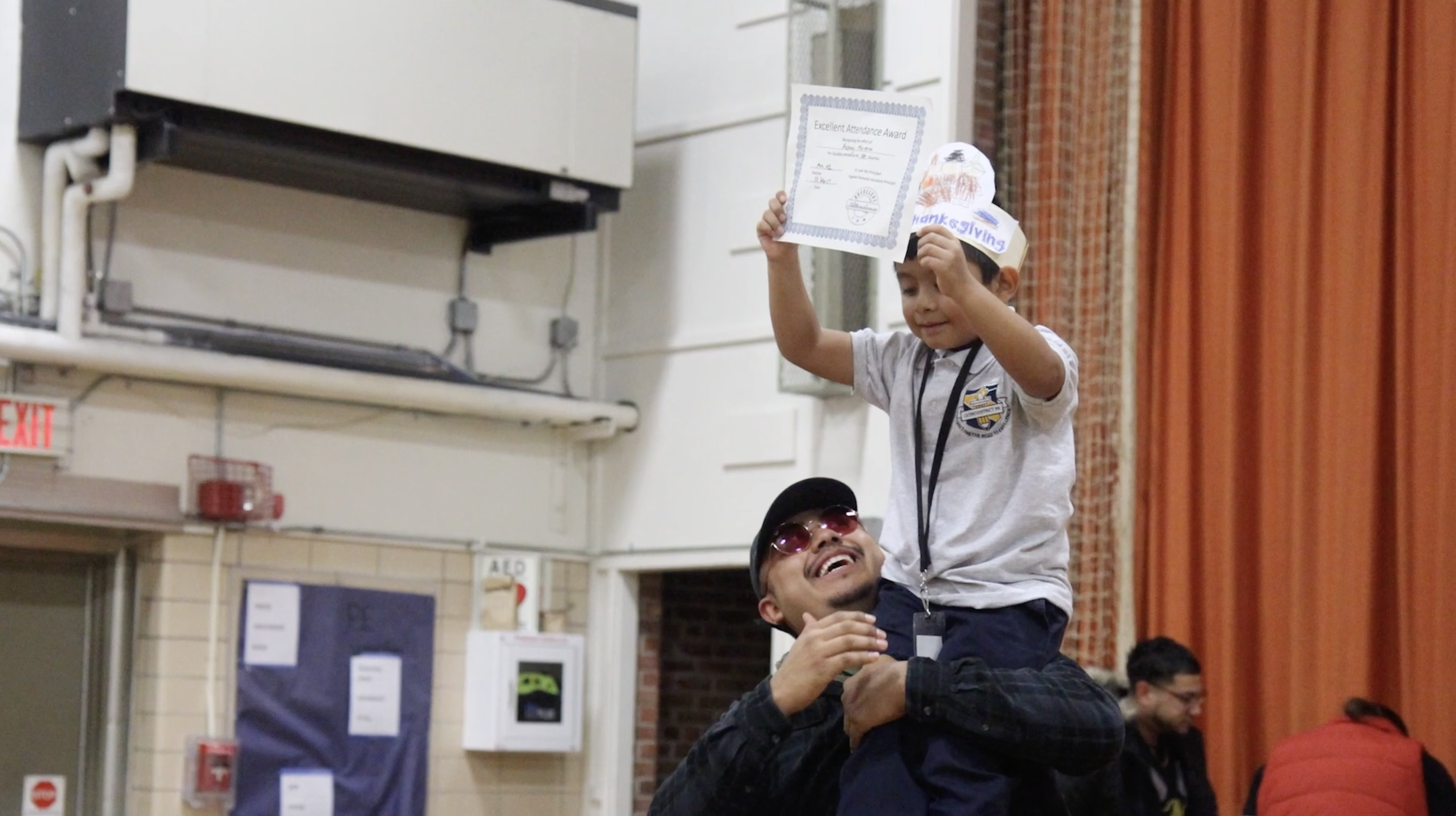
At Cicero Public Schools (D99), student success is about more than just academics—it’s about educating the whole child. Through a Multi-Tiered System...